
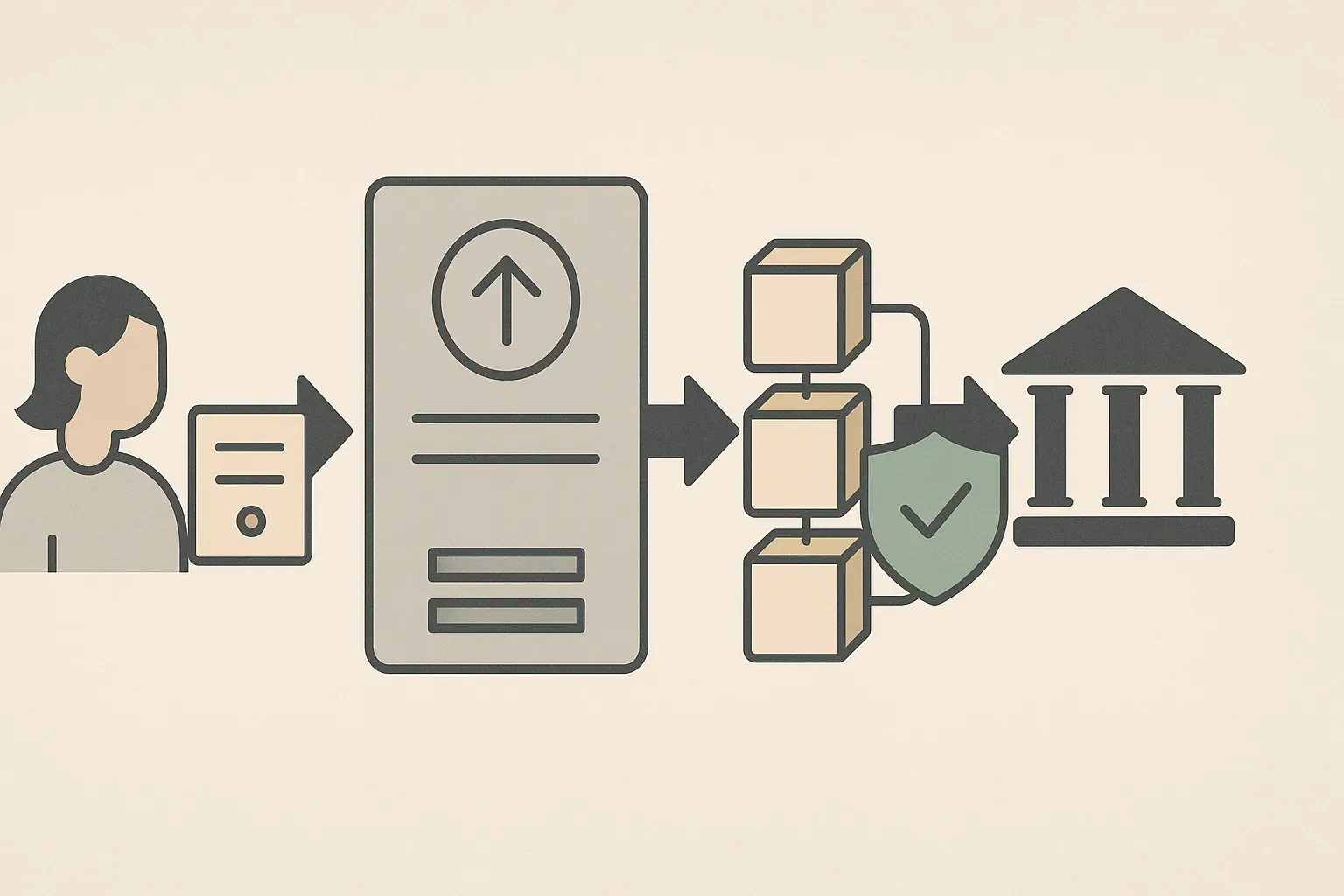
Understanding Optimistic Rollups: A Brief Overview for Transaction Context
Optimistic Rollups are a prominent Layer 2 (L2) scaling solution designed to enhance the transaction processing capacity of underlying Layer 1 (L1) blockchains, most notably Ethereum. The core problem they address is the limited throughput and high transaction fees inherent to many L1s, which struggle to handle a large volume of user activity without becoming prohibitively expensive or slow. Optimistic Rollups achieve scalability by executing transactions off-chain, on their own separate execution environment, and then batching hundreds or thousands of these transactions into a single, highly compressed transaction that is submitted back to the L1. This approach drastically reduces the cost and increases the speed for individual users, as the high L1 transaction cost is amortized across many L2 operations. The term "optimistic" stems from their fundamental assumption: all transactions processed on the rollup are presumed valid by default. This optimistic assumption allows for faster processing because it bypasses the need for immediate cryptographic proof of validity, unlike ZK-Rollups. Instead, a unique challenge mechanism, known as a fraud proof system, is put in place to ensure security, allowing anyone to challenge and prove if a transaction was indeed invalid during a specific time window.
The Lifecycle of an Optimistic Rollup Transaction: From Submission to Execution
The processing of a transaction on an Optimistic Rollup follows a distinct lifecycle, fundamentally different from a direct L1 transaction. It begins with a user submitting a transaction to the rollup's dedicated sequencer, an entity responsible for ordering and bundling transactions. These transactions are executed within the rollup's off-chain environment, and once bundled into a batch, the sequencer publishes this aggregated data to the L1 blockchain. If no valid challenge is raised within this window, the batch is considered final on the L1. If a challenge is successfully mounted through a fraud proof, the invalid transaction or state update is reverted. This multi-stage process ensures that while transactions are processed quickly off-chain, their ultimate security and integrity are anchored to the robust security guarantees of the underlying L1, enabling a balance between scalability and trustworthiness.
Step 1: Submitting a Transaction to the Optimistic Rollup Sequencer
The sequencer acts as the primary gateway to the rollup, similar to how a transaction is submitted to a node on a Layer 1 blockchain. When a user wishes to make a transfer, interact with a smart contract, or perform any operation on the Optimistic Rollup, they sign their transaction locally and send it to the sequencer. The sequencer is responsible for receiving these transactions, immediately providing a soft confirmation to the user, and ordering them. This initial submission is entirely off-chain, leveraging the sequencer's infrastructure to quickly process user requests before any data is committed to the main blockchain.
Step 2: Batching and Sequencing Transactions for Efficiency
The sequencer collects a large number of individual L2 transactions and orders them into a specific sequence. After ordering, the sequencer executes these transactions off-chain, updating the rollup's state. It then compresses the data from these transactions and their resulting state changes into a single, compact data package, known as a batch. For a detailed exploration of how rollups generally achieve transaction efficiency through batching, see https://maincryptonews.com/blog/rollup-technology-transaction-efficiency. The sequencer then prepares this batch for publication to the Layer 1 blockchain. This batching process allows the rollup to achieve significantly higher transaction throughput than the L1, as a single L1 transaction can represent hundreds or even thousands of L2 transactions, effectively scaling the network's capacity.
Step 3: Publishing Transaction Batches to the Layer 1 Blockchain
The batch is submitted as a standard L1 transaction, with the compressed rollup data included in the transaction's `calldata` field. By posting the batch to L1, the Optimistic Rollup inherits the robust security and decentralization of the underlying blockchain.
Step 4: The Challenge Window and Proving Fraudulent Transactions
Upon the successful publication of a transaction batch to the Layer 1 blockchain, the Optimistic Rollup enters its defining security phase: the challenge window, also known as the dispute period. Anyone in the network, referred to as a "watcher" or "fraud prover," who observes an invalid state transition within the published batch, has the opportunity to submit a fraud proof to a special smart contract on the L1. A fraud proof is a cryptographic proof demonstrating that the sequencer performed an incorrect calculation or included an invalid transaction. If a fraud proof is submitted, the L1 smart contract re-executes the disputed portion of the transaction or state transition using the data made available on L1. If the fraud proof is found to be valid by the L1 contract, it means the sequencer indeed acted maliciously or made an error.
Transaction Finality and the Withdrawal Process on Optimistic Rollups
This delayed L1 finality primarily impacts the withdrawal process. When a user wishes to withdraw funds from an Optimistic Rollup back to the Layer 1, they initiate a withdrawal transaction on the rollup. This transaction is processed, included in a batch, and posted to L1. However, the funds are typically locked in a bridge contract on L1 for the entire duration of the challenge window. Only after this period has passed, and no fraud proof has been successfully submitted, can the user claim their funds on the Layer 1. This waiting period is a direct consequence of the optimistic security model and is a key trade-off for the increased scalability and lower fees. For a comparison of how different blockchains achieve finality, including Bitcoin, see https://maincryptonews.com/blog/bitcoin-transaction-finality-mechanisms.
Key Benefits and Trade-offs of Optimistic Rollup Transaction Processing
Optimistic Rollups offer significant benefits for scaling blockchain networks. Foremost is their dramatically increased transaction throughput, allowing L2s to process thousands of transactions per second, far exceeding L1 capacities. This translates directly into significantly lower transaction fees for users, as the cost of posting a batch to L1 is amortized across many individual L2 transactions. They also inherit the robust security of the Layer 1 blockchain for data availability and dispute resolution, ensuring that assets and state changes are ultimately secured by the L1's decentralized consensus.
However, these benefits come with notable trade-offs. The most significant is the extended withdrawal period, typically 7 days, due to the challenge window. Users must wait this duration to move funds from the rollup back to the L1, which can be inconvenient for time-sensitive operations. While L2 transactions are near-instant, L1 finality is delayed. Another consideration is the current potential for centralization of sequencers. While plans for decentralized sequencer networks are in development, many operational rollups currently rely on a single sequencer, which could introduce risks of censorship or delayed transaction inclusion, though the L1 data availability and fraud proofs mitigate severe attacks.
Conclusion: Optimistic Rollups and the Future of Scalable Crypto Transactions
Optimistic Rollups represent a critical advancement in the quest for scalable blockchain solutions. By processing transactions off-chain and relying on an optimistic assumption coupled with a robust fraud proof mechanism, they have successfully delivered significantly higher transaction throughput and substantially reduced fees for users, all while inheriting the foundational security of the Layer 1. The step by step journey of an Optimistic Rollup transaction, from submission to the sequencer, through batching and L1 publication, and ultimately to L1 finality via the challenge window, illustrates an ingenious design that balances efficiency with security. While the extended withdrawal times and the ongoing efforts to decentralize sequencers present certain trade-offs, the overall impact of Optimistic Rollups on the usability and accessibility of decentralized applications is undeniable.
How do optimistic rollups process transactions from start to finish?
Optimistic Rollups process transactions in a multi-stage flow. First, a user submits a transaction to the rollup's sequencer. The sequencer immediately provides a soft confirmation, then collects and batches numerous transactions together, executing them off-chain. Next, this compressed batch of transactions and state changes is published as `calldata` to the Layer 1 blockchain (e.g., Ethereum). Once on L1, a predetermined challenge window (typically 7 days) begins. During this period, any participant can submit a fraud proof if they detect an invalid state transition. If no valid fraud proof is submitted within the window, the batch is considered final on L1, and the rollup's state is effectively secured. If a fraud proof is successful, the fraudulent transaction is reverted, and the sequencer is penalized. To move funds back to L1, users initiate a withdrawal on the rollup, which then requires waiting for the full challenge period to elapse on L1 before the funds can be claimed.
What is the role of the sequencer in optimistic rollup transaction processing?
The sequencer plays a pivotal and multi-faceted role in Optimistic Rollup transaction processing. It is the primary entity responsible for receiving user transactions on the rollup and providing immediate soft confirmations. The sequencer then orders these transactions, preventing front-running and ensuring a consistent flow. It executes the transactions off-chain, updating the rollup's state locally. Critically, it batches hundreds or thousands of these transactions, compressing the data to minimize the footprint and cost when posting to the Layer 1 blockchain. While often a centralized entity in current implementations, offering efficiency, there are ongoing developments to decentralize sequencers to enhance censorship resistance and reduce single points of failure, though its core function remains essential for the rollup's operation.
How does the 'optimistic' assumption contribute to faster transaction processing, and what are its implications for security?
The 'optimistic' assumption directly contributes to faster transaction processing by eliminating the need for complex, computationally intensive cryptographic proofs (like zero-knowledge proofs) to be generated and verified for every transaction batch before it's committed to Layer 1. Instead, Optimistic Rollups assume all transactions are valid by default. This allows sequencers to process, batch, and post transactions to L1 with greater speed and lower overhead. The implication for security is that it shifts from proactive prevention (proving validity upfront) to reactive detection (proving fraud after the fact). Security is maintained through a challenge period during which anyone can submit a fraud proof if an invalid transaction is observed. If fraud is proven, the incorrect state is reverted, and the malicious sequencer is penalized. This model relies on economic incentives and the assumption that at least one honest participant will always monitor the rollup and submit a fraud proof if necessary, ultimately anchoring its security to the L1.
What is a challenge period, and how do fraud proofs work to ensure transaction validity?
A challenge period is a predetermined time window, typically around 7 days, that begins once a batch of Optimistic Rollup transactions is published to the Layer 1 blockchain. During this period, the optimistic assumption of transaction validity can be challenged. Fraud proofs are the mechanism by which this challenge is mounted and validity is enforced. If a 'watcher' or 'fraud prover' identifies an invalid state transition within a published batch, they can submit a fraud proof to a designated smart contract on the L1. This proof includes the disputed transaction and the alleged incorrect state. The L1 smart contract then re-executes the contested part of the rollup's logic using the data previously posted to L1. If the L1 contract's execution differs from what the sequencer claimed, the fraud proof is deemed valid. The fraudulent state update is then reverted, and the sequencer who submitted the invalid batch faces a penalty, usually the slashing of their staked security deposit. This process ensures the ultimate integrity of the rollup's state by leveraging the L1's security.
How long does it take for an optimistic rollup transaction to achieve finality, especially when withdrawing funds?
The finality time for an Optimistic Rollup transaction depends on the context. Within the rollup itself, transactions achieve L2 finality almost instantly once processed by the sequencer and included in a batch. This means they are confirmed and usable within the rollup environment for general operations. This challenge period typically lasts around 7 days. This delayed L1 finality is most apparent when withdrawing funds from the rollup back to the Layer 1. A user initiating a withdrawal must wait for this entire challenge period to elapse after their withdrawal transaction is posted to L1 before they can claim their funds on the mainnet.
What are the main advantages and disadvantages of processing transactions on an optimistic rollup compared to Layer 1 or other scaling solutions?
Optimistic Rollups offer significant advantages over processing transactions directly on Layer 1 blockchains like Ethereum. Primarily, they provide much higher transaction throughput, enabling thousands of transactions per second compared to L1's tens. This leads to dramatically lower transaction fees for users, as the cost of L1 security is amortized across many L2 operations. They also generally offer strong EVM compatibility, making it easy for existing dApps and developers to migrate. However, disadvantages include a longer withdrawal period, typically 7 days, due to the challenge window required for fraud proofs, which means L1 finality for funds takes time. There's also a potential for sequencer centralization, though efforts are underway to decentralize this role. Compared to ZK-Rollups, Optimistic Rollups offer simpler fraud proof mechanisms but have delayed L1 finality. Compared to sidechains, Optimistic Rollups inherit stronger security guarantees directly from the L1, as all data is posted to the L1, unlike sidechains which often rely on their own separate security models. Optimistic Rollups strike a balance between scalability, L1 security, and ease of implementation, making them a popular choice for many applications.